Our Tour of Morocco
by Brenda Doyle
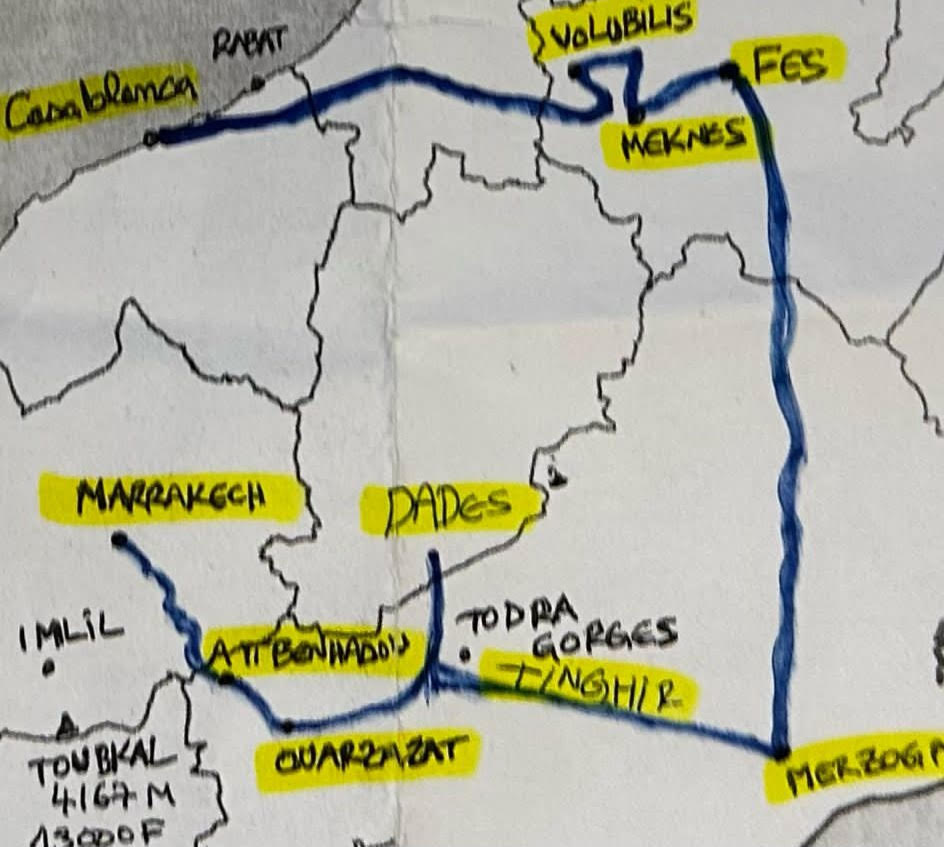
In February of this year my husband Peter and I joined a G Adventures tour – seven Americans, our van driver and our guide Abdellah – for a nine-day tour of Morocco. The itinerary took us on a wide arc from Casablanca east to Fez, south into the desert regions bordering Algeria and west to our final destination of Marrakesh. En route we experienced different aspects of the country’s culture and history.
Marrakesh is generally viewed as the tourist capital of Morocco, Fez as the spiritual capital. Casablanca is where young people, especially from the south, go to find jobs at the port or in construction. Morocco is about 50% Arabs and 50% Berber, all or most of whom are part of the Muslim faith. However, like younger or middle-aged people in all industrialized countries, they maintain a background of their cultural and familial religion but are not necessarily deeply into its faith.
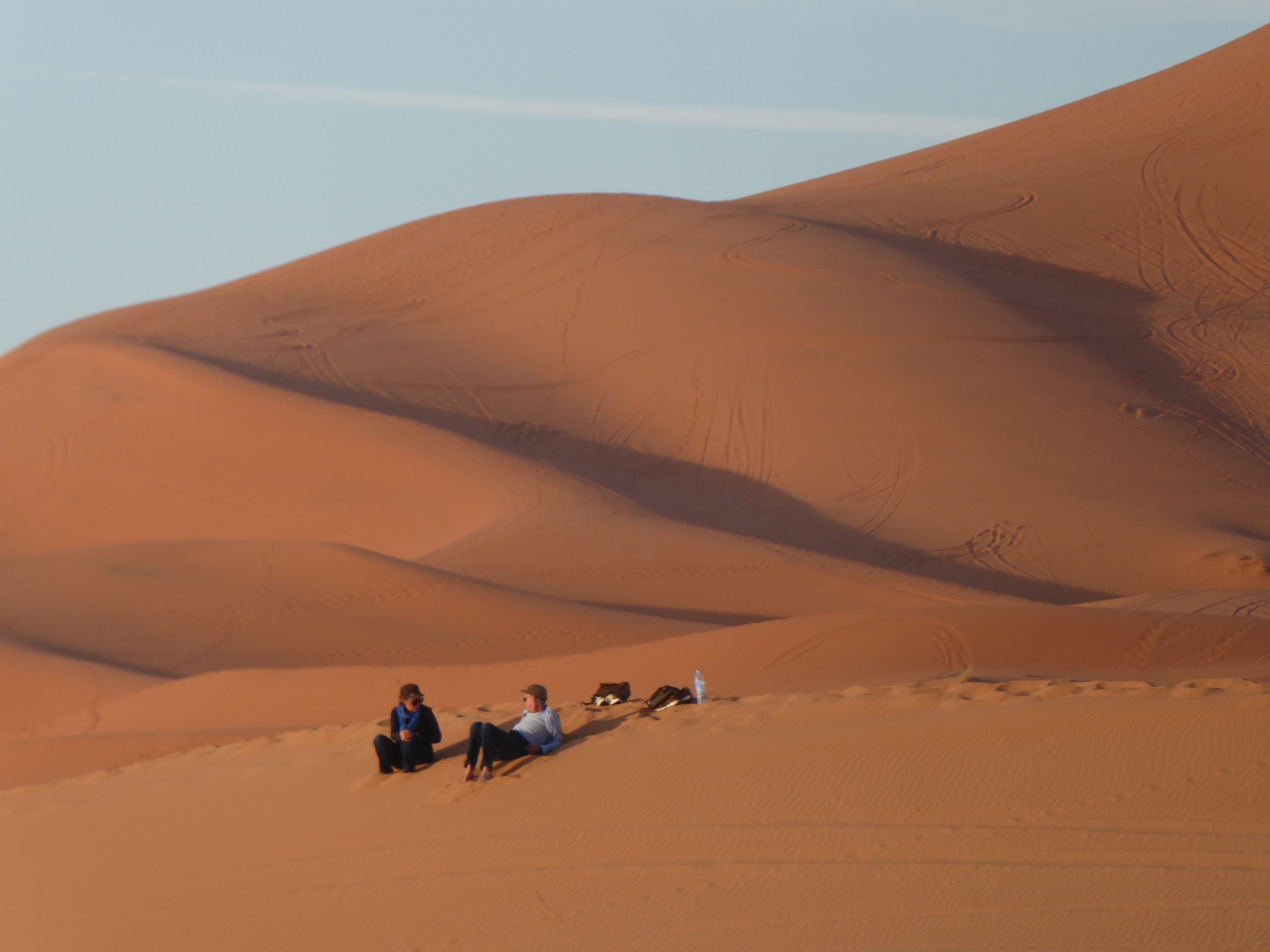
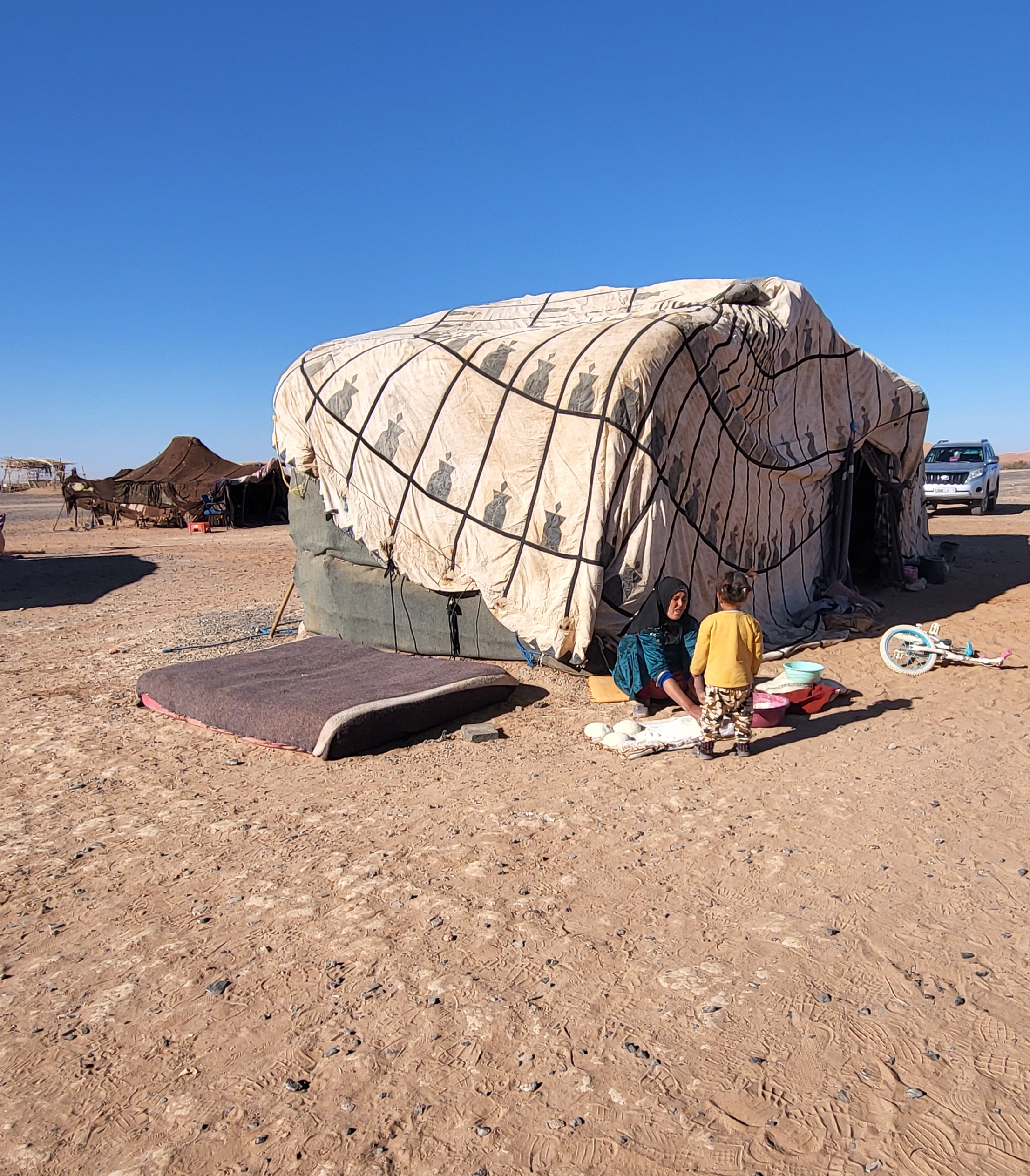
In general, Berber people are more concentrated in the southern part of the country, that is, close to or within the desert. They have been nomadic peoples for millennia, given the name Berber by the Romans to identify them as Barbarians. During our brief time in the Sahara, we visited an encampment of Berber families who were remaining there for the year, though usually they would only stay for the winter months. They keep cattle and possibly other animals at a wooded area nearby that they care for. They did not go back deep into the Sahara last year either because of drought. In past times, they could settle in places deeper in the desert and have an ample supply of water for their cattle and themselves.
 The Arabic peoples are more concentrated along the northern part of the country, as they are along all of North Africa bordering the Mediterranean. Their culture and religion were brought from Arabia within a few generations after the founding of Islam in the 8th century. Now, in the 21st century, there is more of a melding of these peoples, facilitated by the fact of a common religion. Many speak both Arabic and Berber languages. All signs and notices are in both tongues, many also in French, generally spoken as well, as a result of the French occupation for most of the 1st half of the 20th century. In Marrakesh, many are also in English.
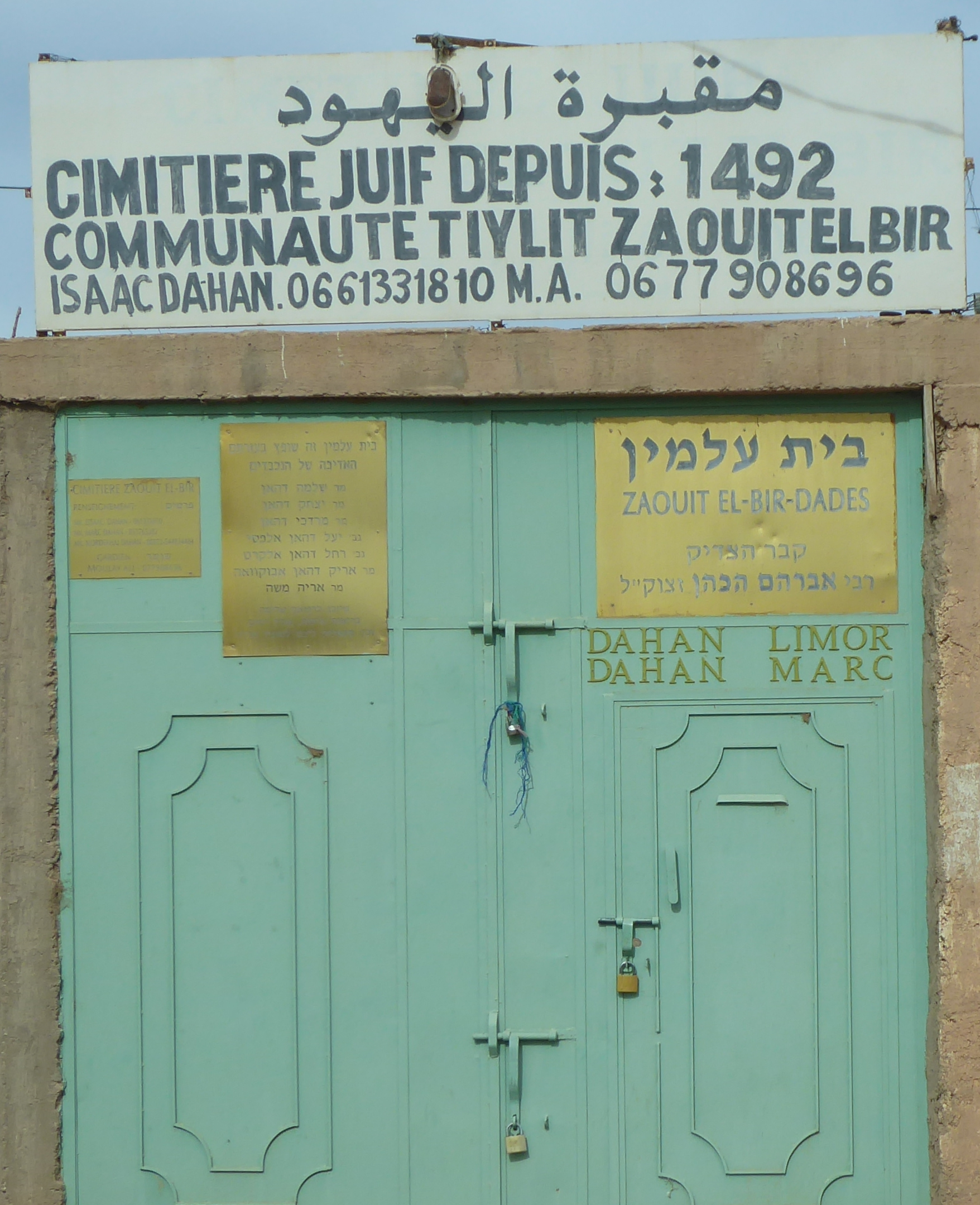
There has been as well a large population of Jewish people, until relatively recently about 300,000. Some arrived after the sacking of Jerusalem in the 1st century, others after their expulsion from Spain after Ferdinand and Isabella, the Catholic monarchs, completed the reconquest of Andalusia in southern Spain in 1492. Jews were treated well over the centuries. They had their own separate sections of cities with their synagogues, schools, and businesses. They were a valued part of the population, some in the king’s administration.
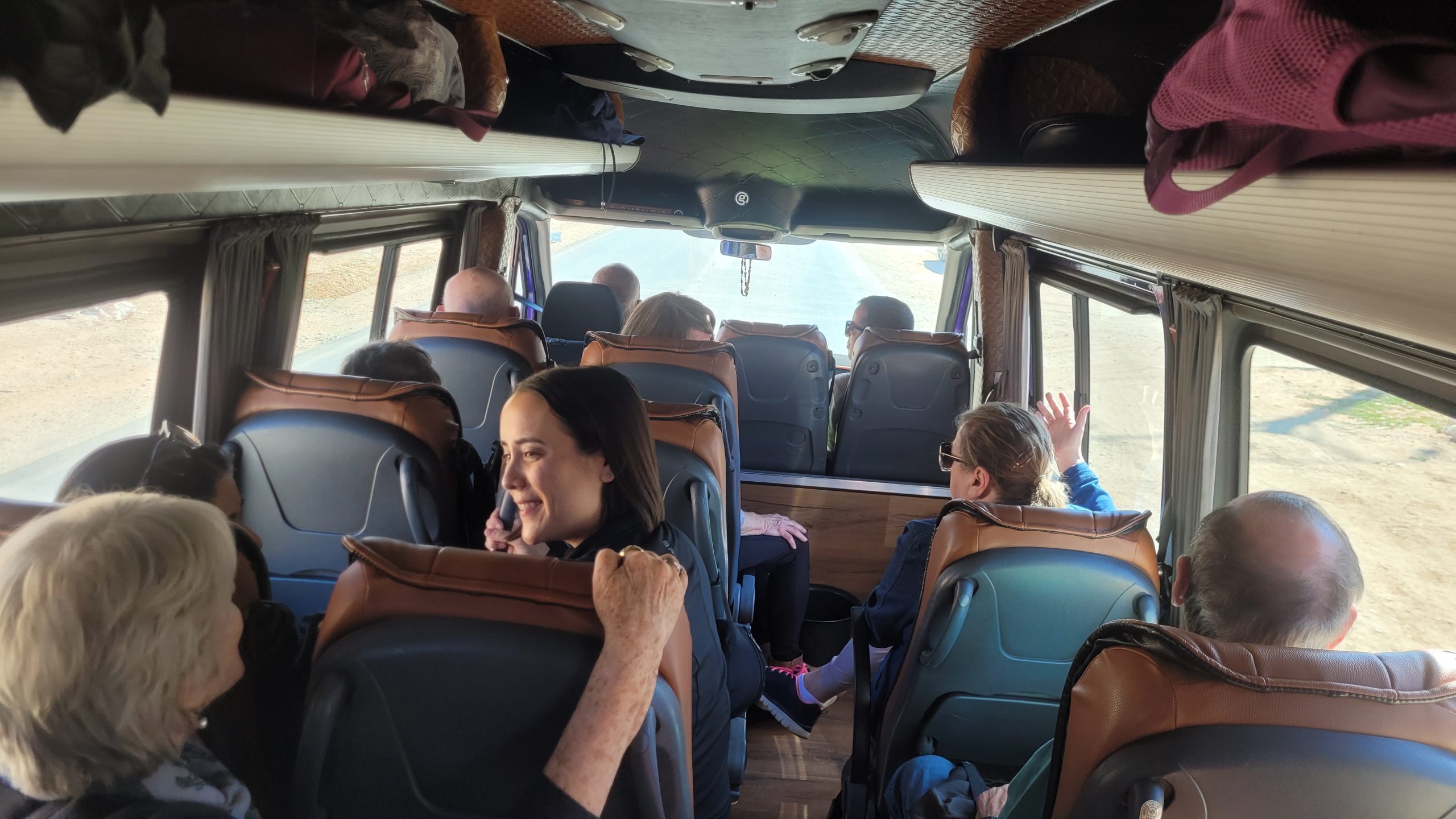
 We were fortunate that our guide, Abdellah, was himself Berber. He had grown up in the south of the country of a nomadic family. This allowed him connections with other Berber peoples, though along the way we also had Arabic guides in local situations, people with whom he clearly had deep, friendly relations. He held all of us, as it were, in a basket of caring, security, adventure, and fun.
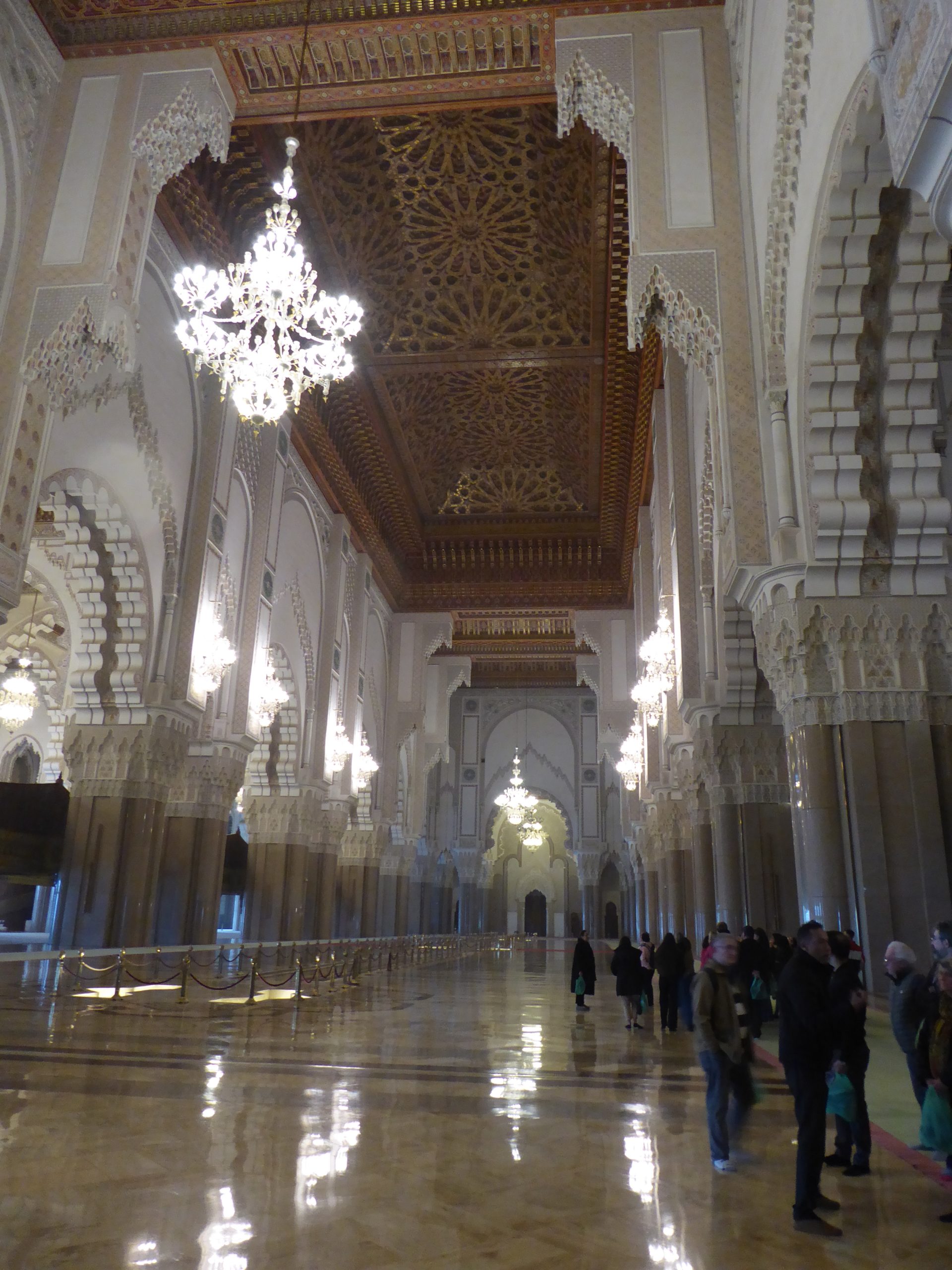
 As we arrived in Casablanca a day early, our taxi driver convinced us to take a tour of the city with him the next day. This allowed us a view of the wealthy area of the city along the Atlantic coast, an up-scale mall with its voluminous fish tank, the city’s massive new mosque and a brief time in the souk (market). We drove past, but declined a visit to, Rick’s Café. In the late afternoon we met our group and Abdellah. He took us for a Moroccan dinner at a restaurant close to our hotel.
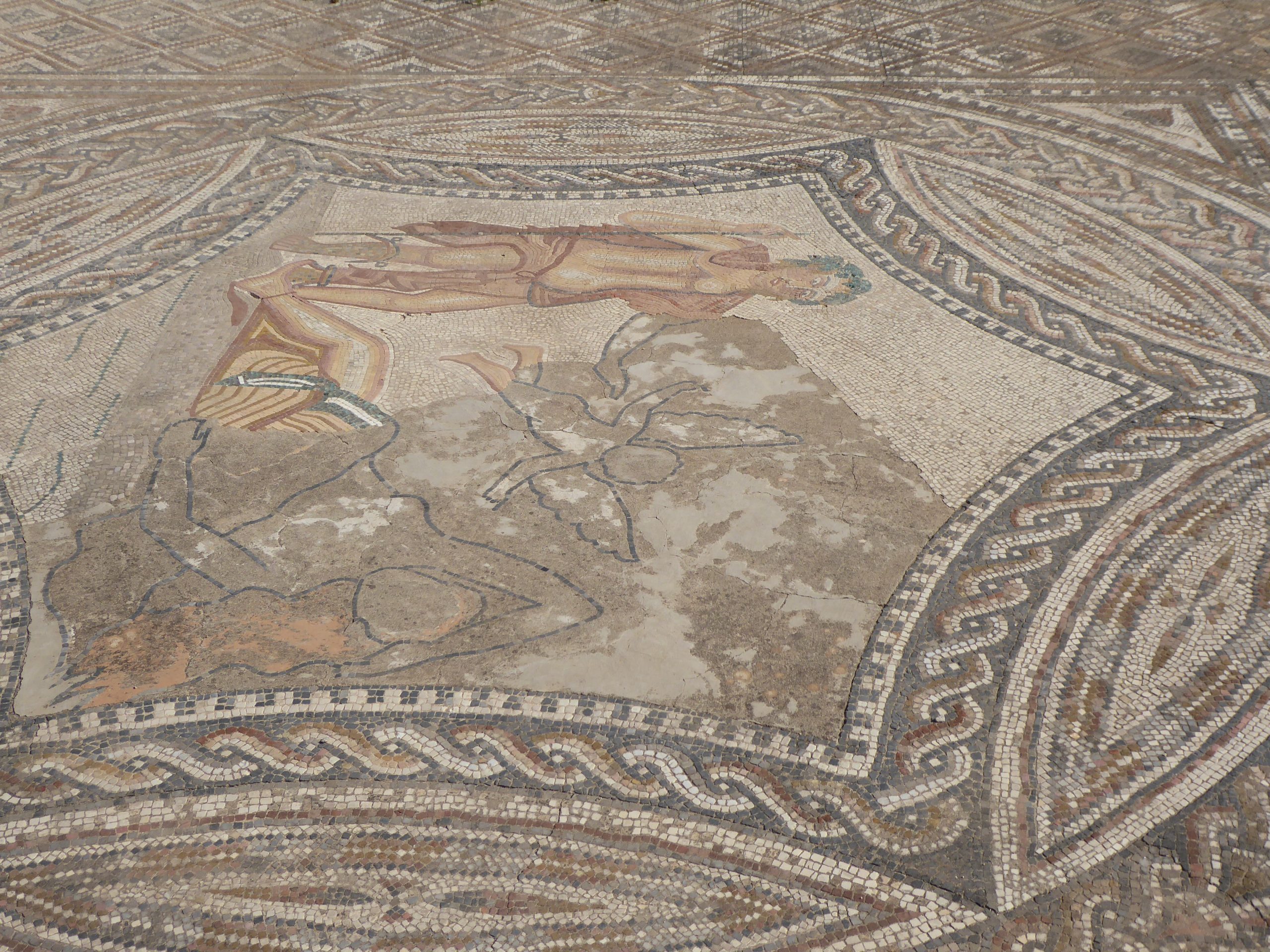
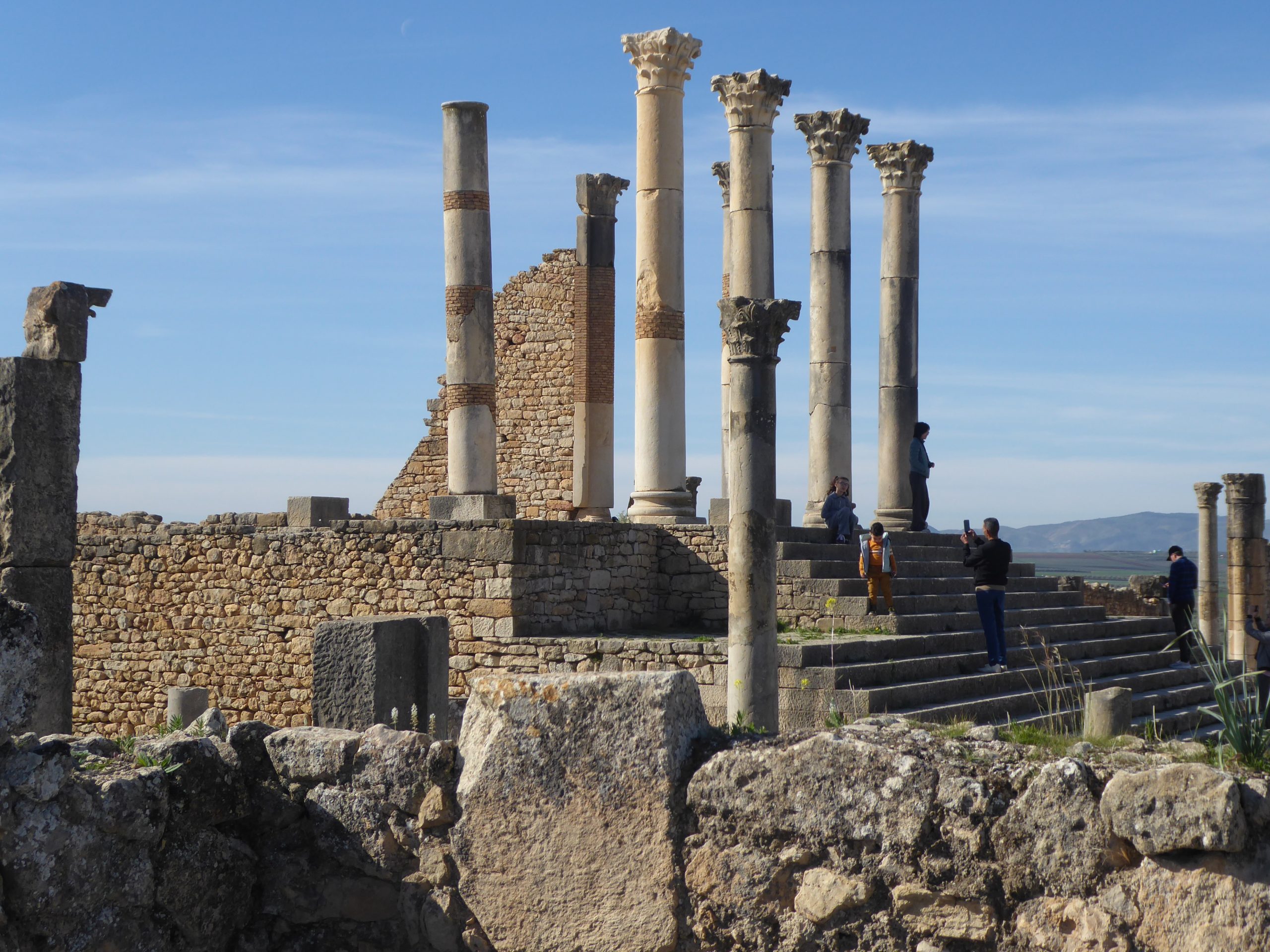 Early the next morning we boarded our van and were off to Fez, stopping for a walk about the extensive Roman ruins at Volubilis, one of several UNESCO sites that we visited. Founded in the 3rd century BC, the ruins cover a vast area of rolling hills and farmland. People lived in the city until about the 17th century – Berbers, Syrians, Jews and others, speaking Latin as a common language. Earthquakes then destroyed much of the superstructure. To date only about a third of the area has been excavated. Nonetheless, the marble pillars and mosaic floors of the baths do not fail to impress.
 Our local guide in Fez took us on an extended walk through its Medina (historic section), viewing the palace where the royal family of Morocco currently lives. He told us with humour and irony that in Morocco people are free to speak of and criticize anything and anyone other than the king. Failure to maintain this standard will earn one a term in prison.
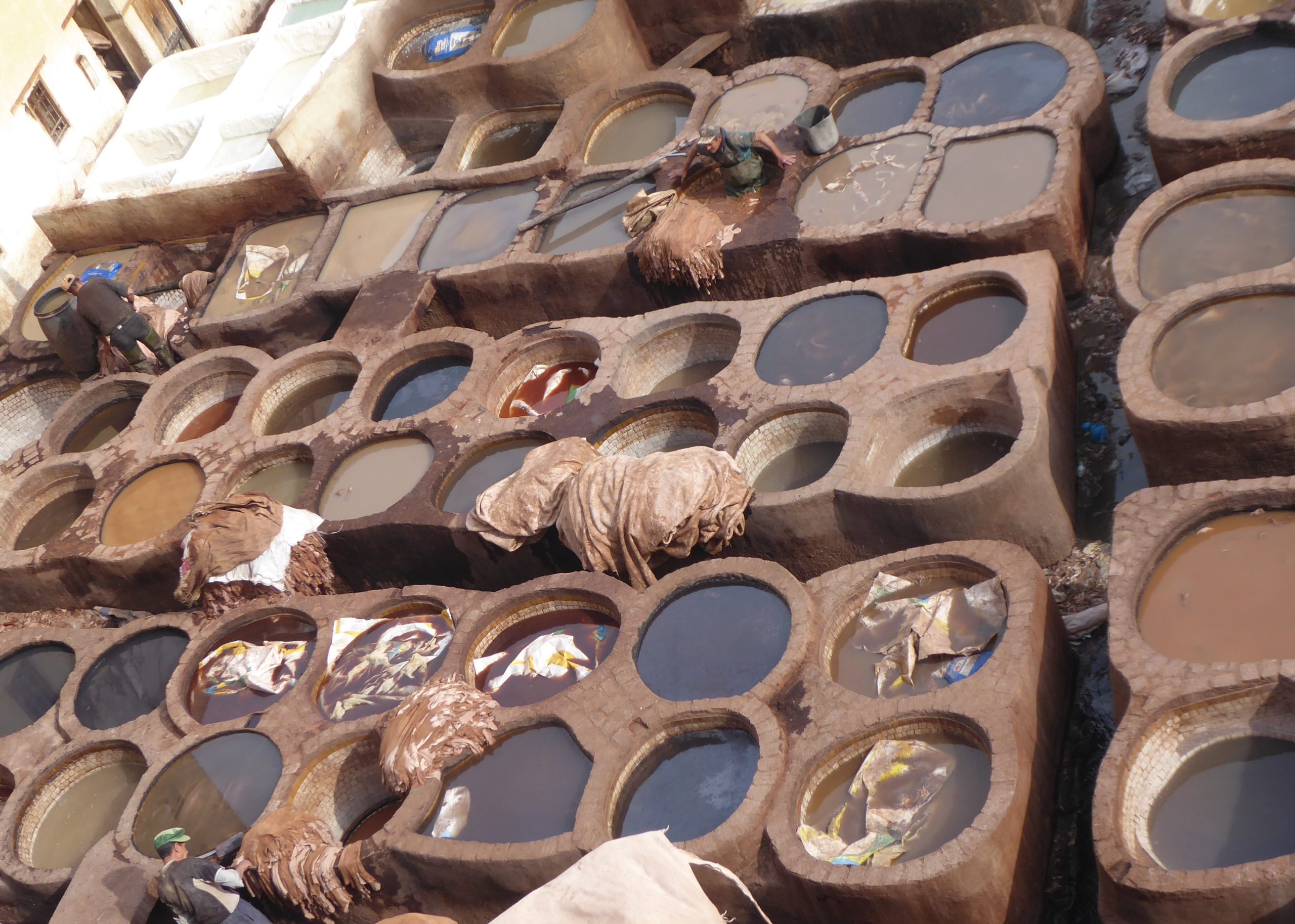
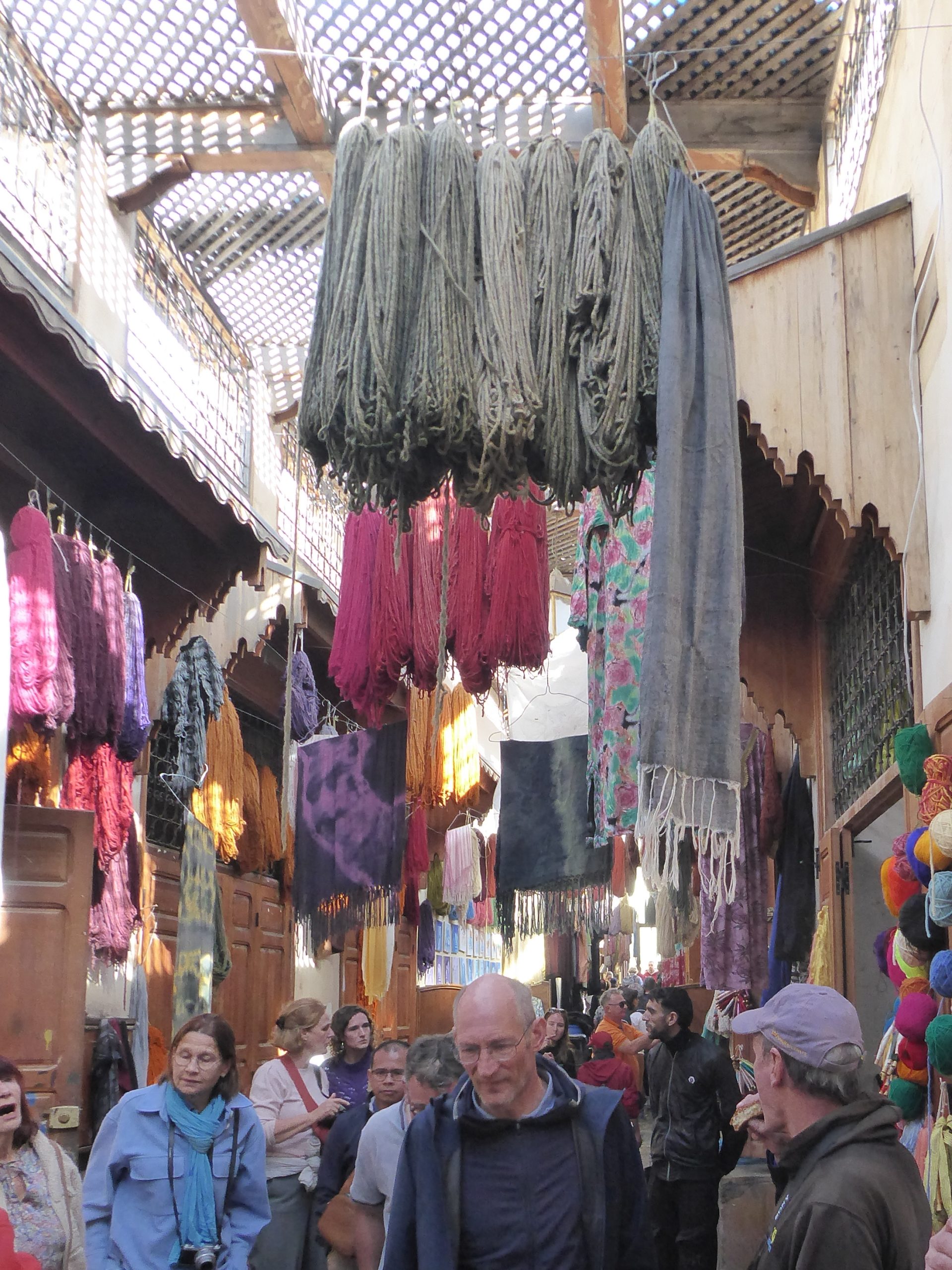 We visited the souk, its narrow, winding passages chock-full of merchants peddling spices, food, clothing, ceramics and souvenirs. Morocco’s famous leather is treated and dyed in the traditional manner here. We viewed the process from a balcony overlooking its stages.
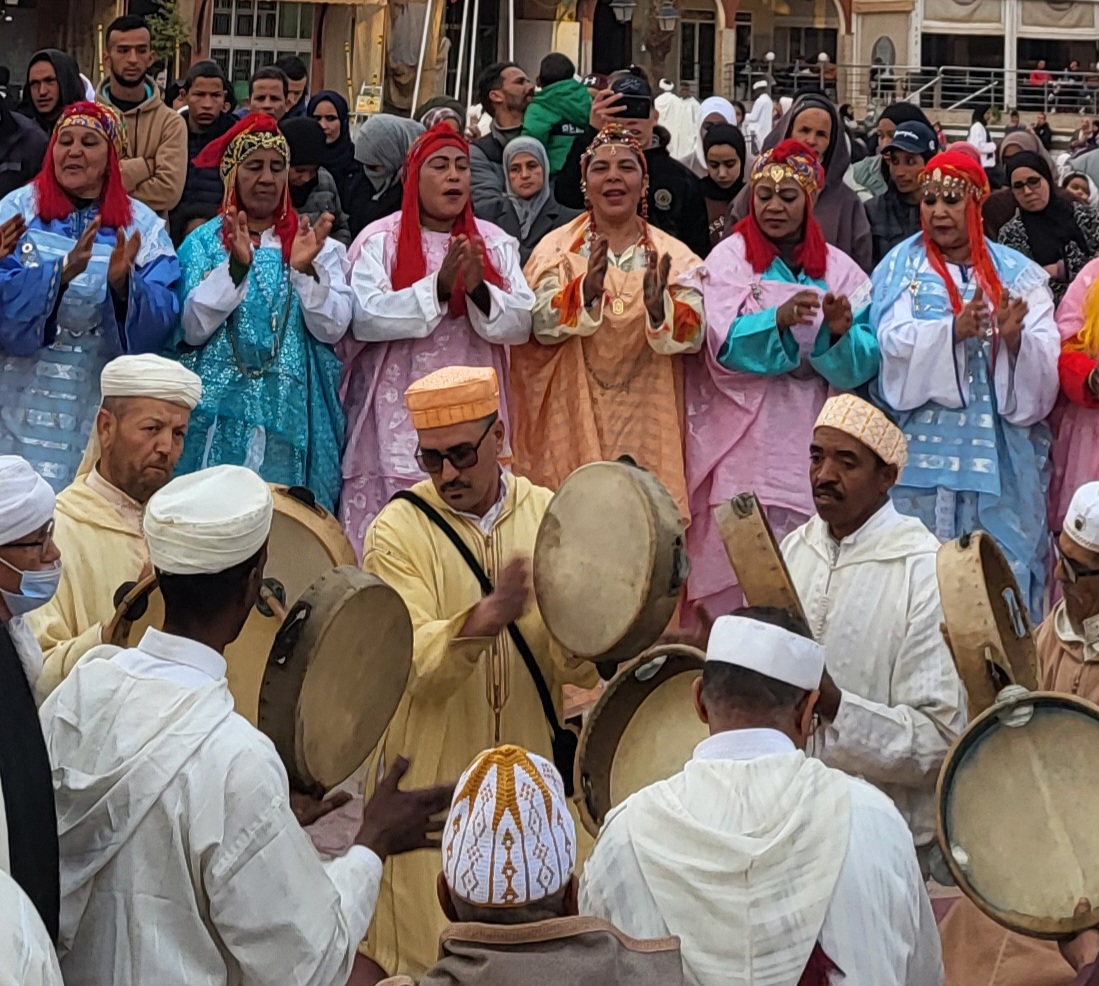
 Next day we travelled through the Middle Atlas Mountains, watching as the cedar forest gradually gave way to groves of palm and then to the Sahara’s sweeping dunes. Close by were small groups of camels hobbled by one leg, feeding together. Later our group was divided in three for a 4×4 vehicle drive along the dunes to visit a Berber nomad family camp and a village where musicians learn traditional Moroccan music. We were given a concert.
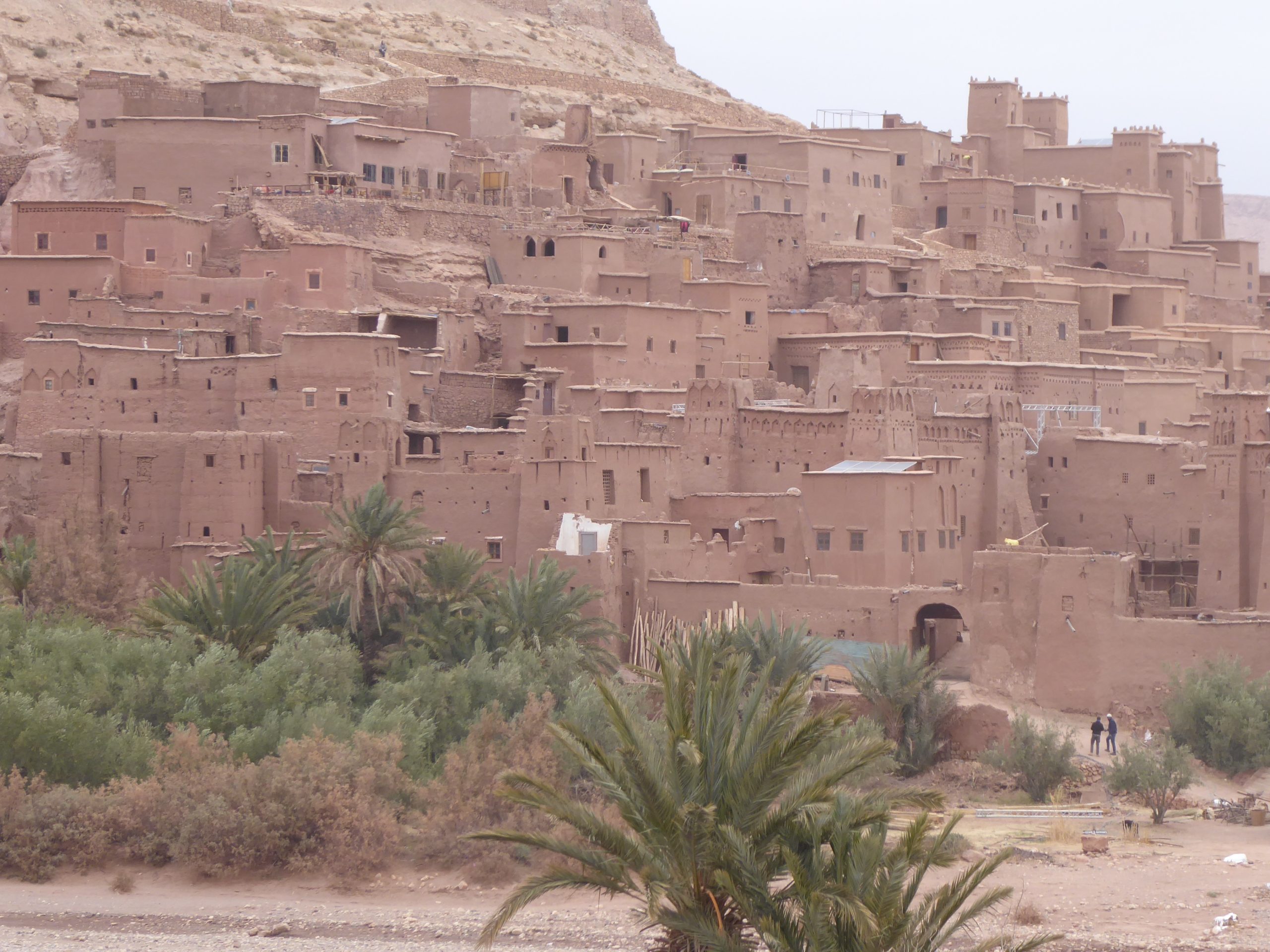
 Ever onward, we passed into the Dades Gorge to Morocco’s largest film studio at Ouarzazate, site of the original Gladiator movie and its sequel, Gladiator II. A challenging walk up the overlooking rocks gave us a singular view of the terrain. In the afternoon, we spent some time with an Amazigh (person indigenous to North Africa) herbalist, learning about traditional medicines and cooking spices.
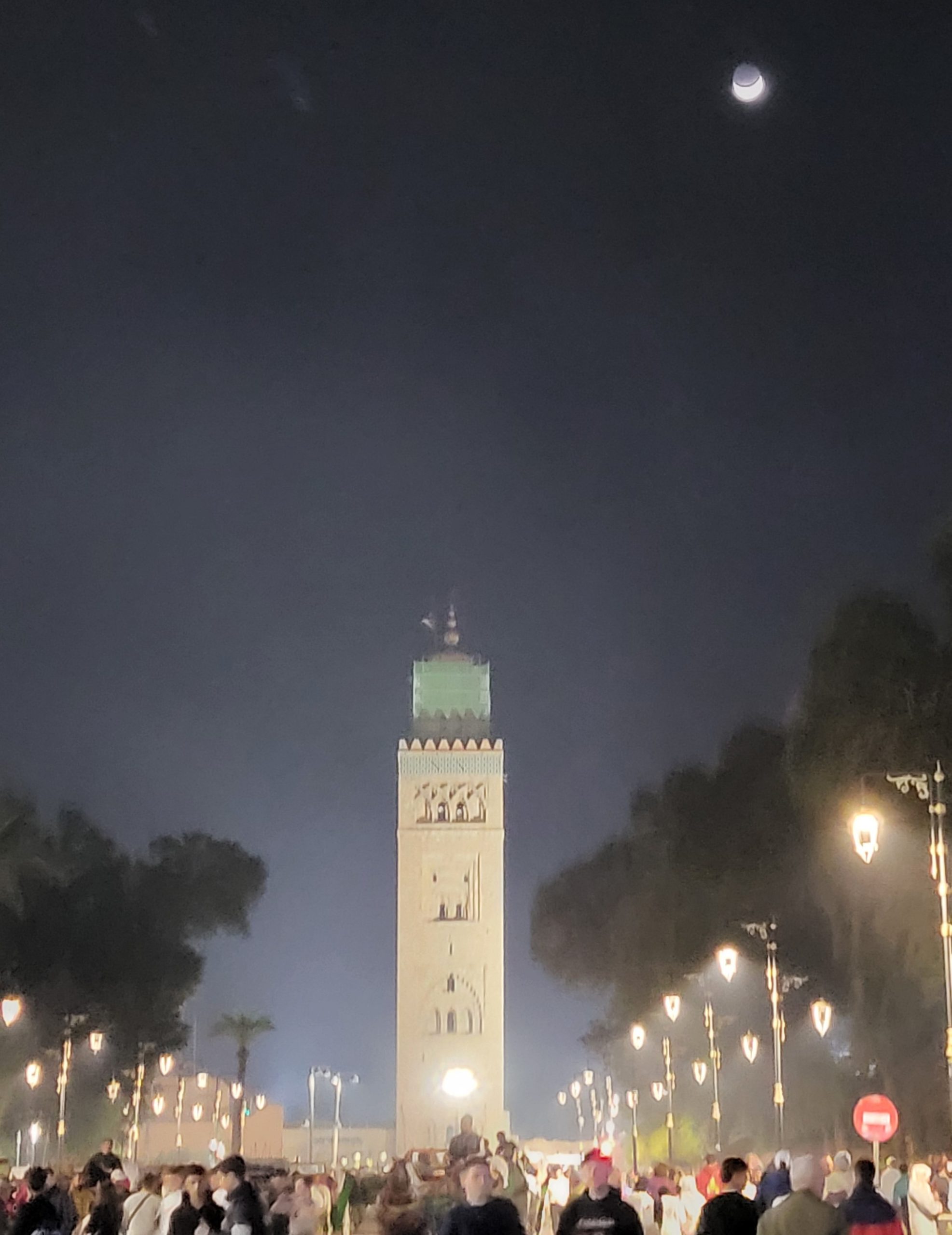
 Our route to Marrakesh took us through the High Atlas Mountains, our driver carefully navigating its series of switchbacks. Once settled in the city itself, we embarked on a tour of its centre, particularly focussing on the vast souk area and the market square, Djemaa el Fna. Here story-tellers, magicians and particularly musicians set up to entertain the always-present groups of foreign and local audiences.
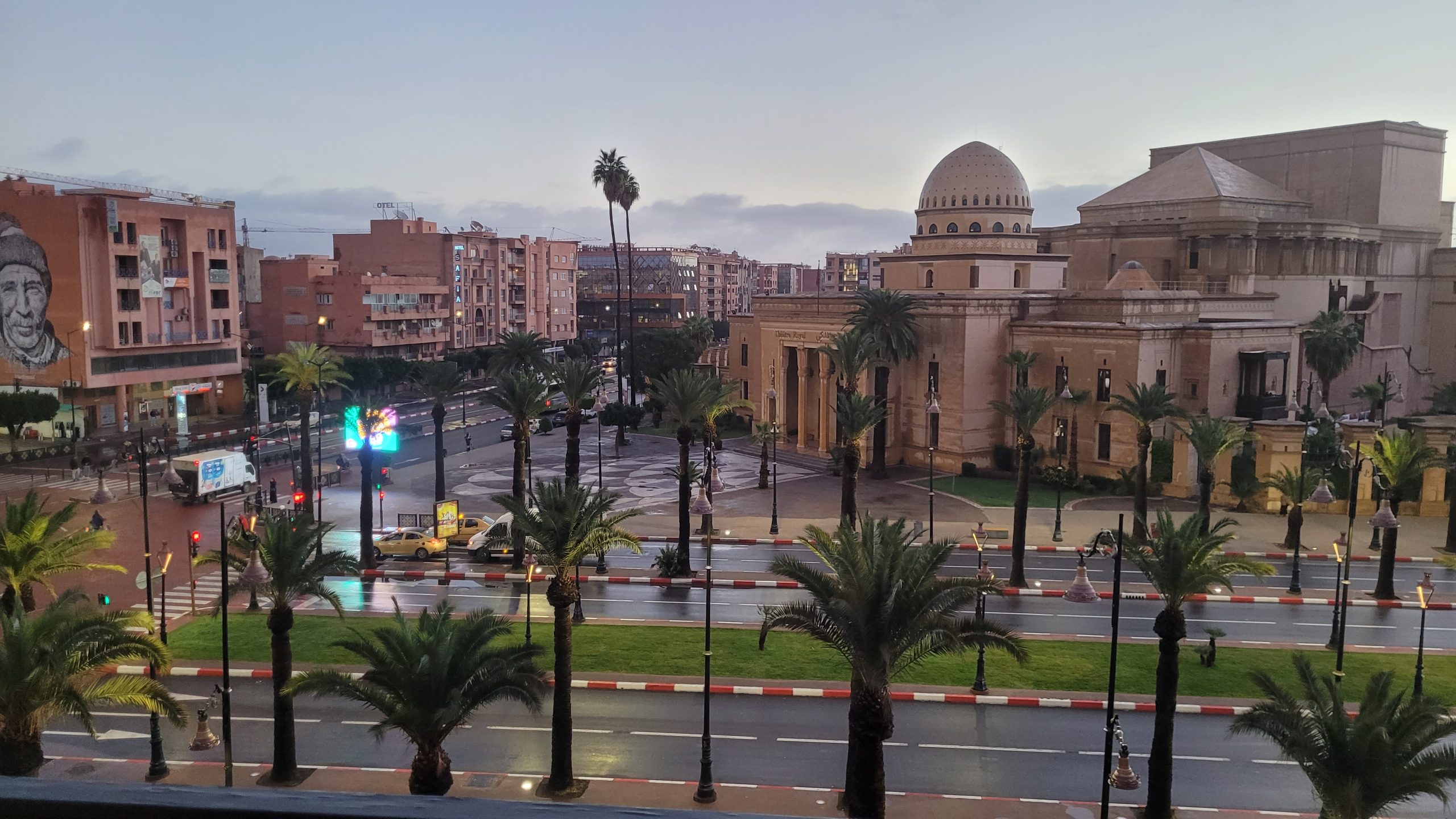 The tour ended the following day, sending off our fellow travellers, our van driver and our ever-helpful and fun guide Abdellah to their next destinations. Peter and I remained in Marrakesh for another four days, savouring the vibe, returning again and again to the central square to take part in its nightly panorama of light and music.