
New this year!
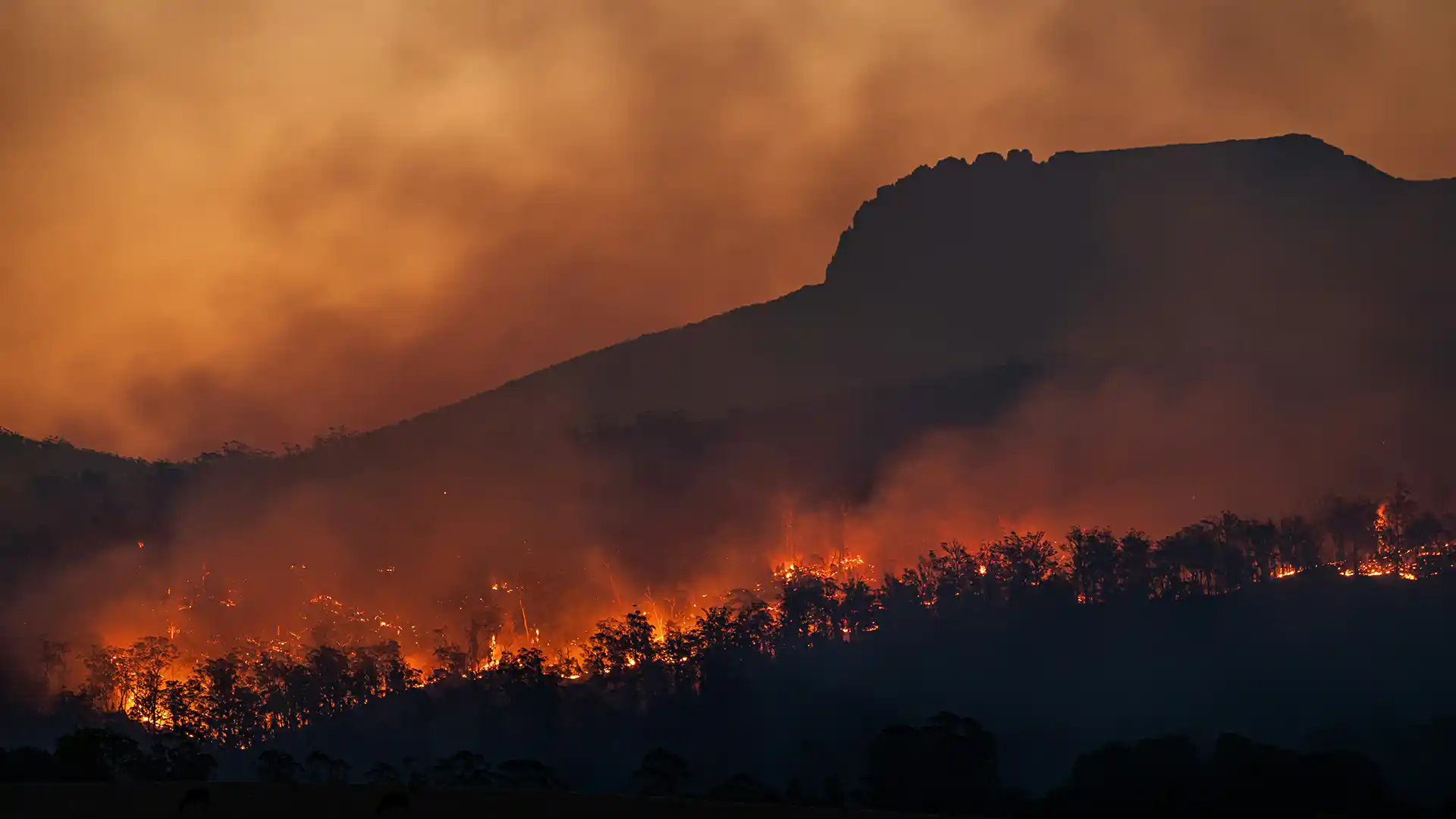
This workshop will help you go beyond the headlines to explore the complex issue of climate change and its global impact. Grounded in science and cutting-edge research, participants will gain a comprehensive understanding of the science behind climate change, its current and projected effects on the environment, and the societal challenges it presents.
The curriculum begins with an overview of climate science, explaining key concepts such as greenhouse gases, global warming, and sea-level rise. It then delves into the environmental and human impacts, including extreme weather events, biodiversity loss, and health risks.
A significant portion of the course focuses on the possibilities for positive change. Participants will learn about innovative technologies, renewable energy sources, and sustainable practices that can mitigate climate change. The course also highlights the roles of policy and community action in driving meaningful changes.
Through participants’ presentations and interactive discussions, we will discover how we can contribute to climate solutions. The course emphasizes the importance of intergenerational collaboration and the unique perspectives and experiences that older adults bring to the table.
By the end of the course, participants will be equipped with the knowledge and tools to advocate for climate action within their communities and beyond. They will understand that while the challenge is daunting, there are numerous opportunities for positive change and amelioration.
No prior scientific background is required, just curiosity and a desire to learn.
Facilitators
Priscilla Platt is a retired lawyer who practiced law in Ontario for close to 40 years. Despite this background, she has had a lifelong fascination with science and environmental issues. Priscilla has been with the Academy a number of years and has co-facilitated several workshops.
Carol Austin worked for many years in management and training in the pharmaceutical industry. She joined the Academy in 2020 and is looking forward to another exciting year of intellectual discussion on a variety of topics.
This course will consider climate change, its impacts and how these impacts may be mitigated through innovative technologies and adaptation. We will learn about climate science, the Earth’s climate system, the greenhouse effect and historical and current trends in global warming. The sources of greenhouse gases will be explored and how our activities can both amplify it and mitigate it. Included in this exploration will be the role of fossil fuels and deforestation, impact on sea levels and weather patterns.
With a good grounding in the science, we will explore innovative technologies, renewable energy (wind / solar), carbon capture, advanced batteries and electric vehicles. We will also consider the role of AI in optimizing energy efficiency and breakthroughs in sustainable agriculture and water management.
We will explore how communities can transition to solar, wind and other renewables, sustainable practices (reduce, reuse, recycle) and community level initiatives. We will consider where greenhouse gases come from in our buildings, infrastructure, construction and transportation systems. We will discuss pollution, the impact of plastics and how we can track our emissions and improve sustainability.
Finally, we will discuss long-term climate projections and adaptation strategies, the importance of global cooperation and how we can make a difference.
Resources
There are many books, websites, podcasts and other ways of learning about climate change.
Here are a few:
- CBC: ‘What on Earth’
- National Observer, BC: website nationalobserver.com
- Climate Interactive: climateinteractive.org
- Drilled– website
- Climate Rising—podcast from Harvard Environmental initiative
- The Climate Question—BBC
- How We Survive—website
- A Matter of Degrees—website
- TIL climate—MIT podcast
- No Place Like Home—podcast
- NASA’s Eyes on the Earth app / and Climate Kids website
- World Health Organization (WHO) factsheets–website
Books:
- ‘How the World Really Works’ by Vaclav Smil
- ‘Not the end of the World’ by Hannah Ritchie
- ‘Fire Weather—The Making of a Beast’ by John Vaillant
- ‘How to Avoid Climate Disaster’ by Bill Gates
- ‘Novacene’ by James Lovelock